
PITTSBURGH · HOMEOWNERS INSURANCE · STORM DAMAGE CLAIMS
What Your Homeowners Insurance Actually Covers After a Pittsburgh Storm
A storm may have damaged your roof. Your homeowners insurance may pay for part or all of the repair. But only if the damage is documented the right way, and the claim is filed on time. This guide covers storm damage insurance in Pittsburgh in plain language: what is usually covered, how the claims process works, why claims get denied, and how to work with your adjuster. It is not insurance advice. Always confirm your own policy’s terms with your insurer.
Independent guide from a Pittsburgh roofing contractor — not an insurance company or agency.
What Storm Damage Insurance Covers in Pittsburgh
Most standard homeowners policies in Pennsylvania cover roof damage that happens suddenly and by accident. That usually includes hail, high wind, and falling tree limbs. Pittsburgh sees this kind of damage most in summer thunderstorms and winter ice and wind events. A storm that rips off shingles or drops a branch through your roof is the type of event storm damage insurance in Pittsburgh is built to cover.
Coverage still varies a lot by insurer. Some policies pay to replace only the damaged section. Others cover a full replacement if the damage is widespread. Wind and hail deductibles are sometimes higher than your regular deductible. A few Pennsylvania insurers even apply a separate percentage-based deductible just for wind and hail. Read your declarations page, or call your insurer, to know exactly what your plan covers.
The Pennsylvania Insurance Department publishes a plain-language Natural Disaster Insurance Guide that walks through what to check on your policy before and after a storm, and it is a good first stop if you want to understand your own coverage.
What Your Policy Usually Does Not Cover
Insurance is built to cover sudden, accidental events. It is not built to cover the slow wear a roof picks up over time. Most policies will not pay for damage caused by old age or poor past maintenance. Pittsburgh has many century-old homes, and this is where claims often get complicated. An adjuster may see real storm damage sitting right next to older wear. Usually, only the storm portion is covered.
A few other common gaps exist. Flood damage almost always needs a separate flood policy, since standard homeowners insurance excludes it. Some insurers exclude damage from long-term water intrusion or mold. An ice dam that formed because of poor attic insulation is sometimes excluded too. It depends on your insurer and your exact policy wording. Cosmetic damage — dents that do not change how the roof performs — gets treated differently by different companies. Some Pennsylvania insurers exclude cosmetic-only hail damage on metal roofs specifically. None of this is universal, so check your own declarations page for your exclusions.
How to File a Storm Damage Insurance Claim in Pittsburgh, Step by Step
1. Document the damage before you touch anything
Take photos and video of the damage as soon as it is safe. Shoot from the ground, and from a ladder or a neighbor’s window if you can safely get a better view. Do this before any cleanup or temporary repairs. If your roof is actively leaking, it is fine to place a tarp to stop water getting in — just photograph the damage first if you can.
2. Contact your insurer promptly
Most policies set a deadline for reporting storm damage. Waiting too long is one of the most common reasons a claim gets denied. Call your insurer or your agent as soon as you find damage, even if you are not sure yet how bad it is.
3. Get a written roof inspection
A professional roof inspection gives you a written, dated, photographed record of exactly what the storm damaged. Insurers generally want this kind of documentation, and having it ready before the adjuster visits tends to make the whole process move faster.
4. Meet the adjuster
Your insurance company will usually send an adjuster to inspect the damage in person. Be there if you can, and walk them through what you found and when.
5. Review the written settlement offer
Read the offer carefully before you sign anything. Compare it against your own inspection report and ask questions about anything that looks left out.
6. Schedule the repair
Once your claim is approved, you can move ahead with repairs. This page is about the insurance side only — for the actual repair work, see our storm damage roof repair page, which covers how emergency tarping and permanent repairs are done.
Why Documentation Matters So Much
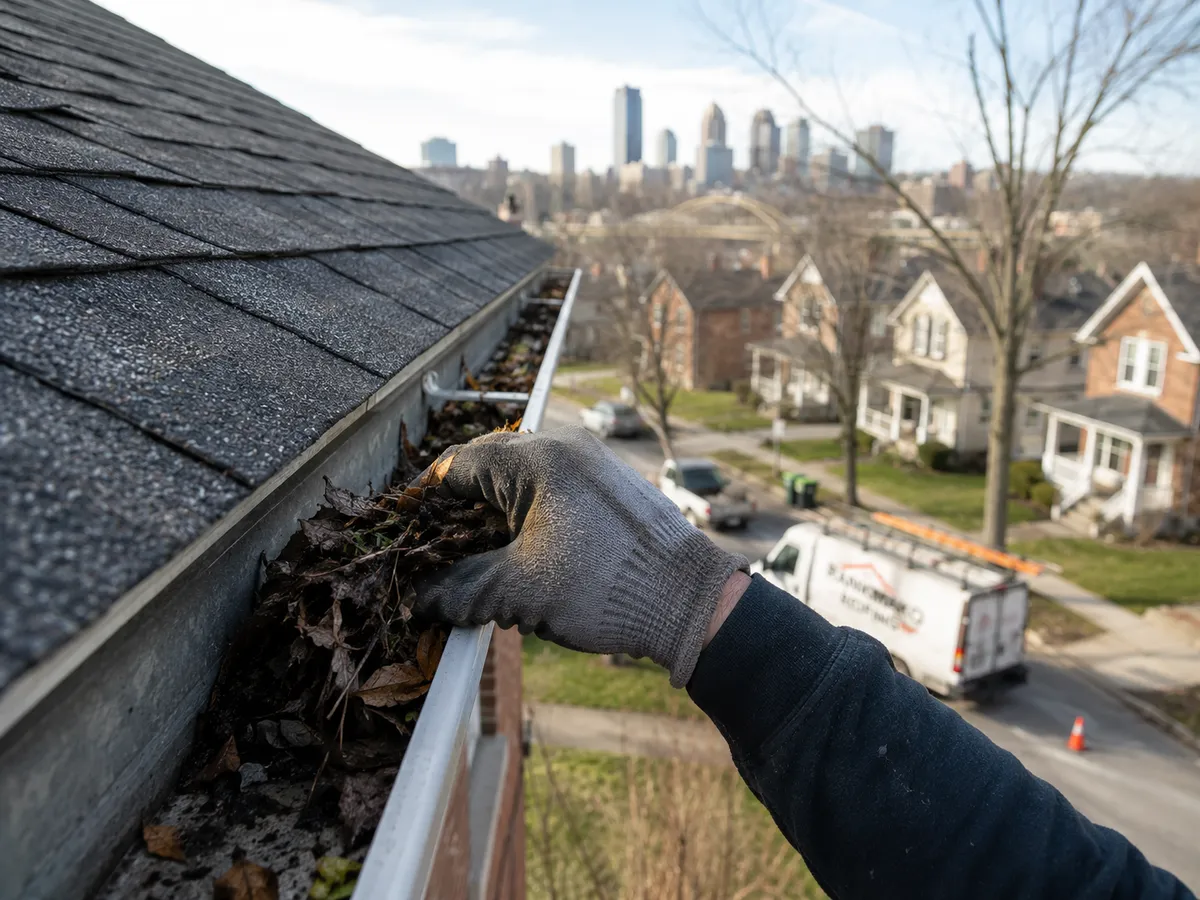
Insurers process a lot of claims after a big storm. Claims with clear proof tend to move faster and get fewer questions. Dated photos help. A written inspection report helps. Receipts for any emergency repairs help too. All of it shows exactly what happened and when. Write down the storm date, the date you first noticed the damage, and the names of anyone you spoke with at your insurance company.
If your roof is actively leaking, do not wait on the claim. Protect your home first. A temporary emergency roof repair or tarp can stop further damage while your claim is still being processed. Just keep your receipt — most insurers reimburse reasonable emergency repair costs as part of the claim. Not every roof leak is storm-related, though. If your leak turns out to be unrelated to a specific storm, our roof leak repair page covers that separate situation.
How Long a Storm Damage Claim Usually Takes
There is no single timeline for every claim. It depends on your insurer, how busy they are after a regional storm, and how complicated the damage is. A straightforward hail claim with clear documentation often moves faster. A claim with disputed damage or a disagreement over scope takes longer. Check your policy — it should state how quickly your insurer aims to respond after you file.
You can control the early steps on your end. Report the damage promptly. Have a written inspection ready. Respond quickly when your insurer or adjuster reaches out. Those three things do more to keep a claim moving than almost anything else.
Common Reasons Storm Damage Claims Get Denied
Knowing why claims get rejected can help you avoid the same mistakes. Homeowners run into trouble most often for these reasons:
- Filed too late. Missing your policy’s reporting deadline is one of the most common denial reasons.
- Damage ruled pre-existing. If an adjuster decides the damage was already there before the storm, or is due to age and wear, it is typically not covered.
- Cost is below your deductible. If the repair estimate comes in under your deductible, there may be nothing left for insurance to pay.
- The specific cause isn’t a covered peril. Some policies exclude certain causes, like flooding, earth movement, or specific types of water damage.
- Not enough proof. Without photos, dates, or a written inspection tying the damage to a specific storm, insurers have less to work with.
- A maintenance exclusion applies. Policies often exclude damage that resulted from a homeowner not maintaining the roof.
Working With Your Insurance Adjuster
The adjuster works for your insurance company, not for you. So it helps to be prepared. Be there for the inspection if your schedule allows it. Walk them through everything you documented. Ask for a copy of their written report once the visit is done, so you have your own record of what they found.
You are allowed to ask questions and push back. This applies if you think the adjuster missed something, or the settlement feels too low. An independent inspection from a licensed local roofer gives you a second, unbiased set of findings. You do not have to accept the first offer without reviewing it. You do not have to use a roofer the insurance company recommends, either — the choice of contractor is yours.
Frequently Asked Questions About Storm Damage Insurance in Pittsburgh
Does my Pittsburgh homeowners policy cover hail damage?
How long do I have to file a storm damage claim in Pennsylvania?
Can I choose my own roofer, or does insurance require me to use theirs?
More Questions Homeowners Ask
What if the settlement does not cover the full repair cost?
Do I need a public adjuster?
Will filing a claim raise my insurance rates?
Get a Written Inspection for Your Storm Damage Insurance Claim
A dated, photographed inspection report is one of the strongest things you can bring to an insurance claim. Book a free on-site inspection and we will give you a clear, honest written report of what the storm damaged.
More Pittsburgh Resources
- Storm Damage Roof RepairEmergency tarping and permanent repair once your claim is settled.
- Roof InspectionA written, photographed inspection to support your insurance claim.
- Emergency Roof RepairFast temporary repair to stop active leaks while your claim is processed.
- Roofing Warranty InformationHow manufacturer and workmanship warranties work alongside insurance.