Rankmako provides metal roofing for homeowners across the Pittsburgh area.
PITTSBURGH · LICENSED & INSURED
Metal Roofing Built to Outlast Pittsburgh Winters
Roof Repair Pittsburgh installs standing seam, exposed fastener, and metal shingle systems across Pittsburgh — engineered for freeze-thaw winters and forty-year lifespans.
Licensed and insured in Pennsylvania. Free written estimates within one business day of your request.
Our Pittsburgh Metal Roofing — What’s Included
Most of the work below is a re-roof over an existing structure — if you’re instead putting a metal roof on new construction, an addition, or a detached garage, see our roof installation in Pittsburgh page.
Standing Seam Installation
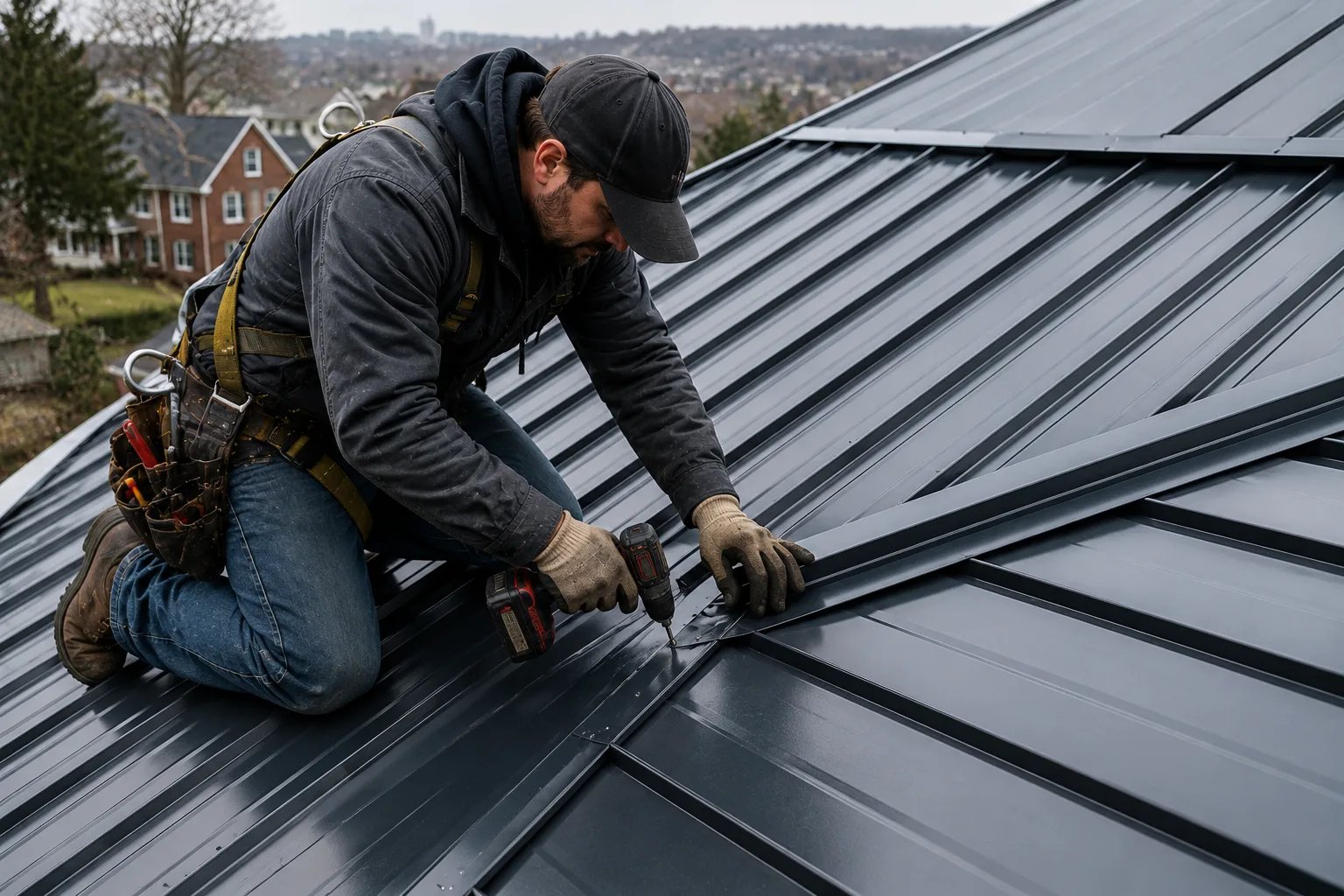
In addition, hidden-fastener 24-gauge Galvalume panels with concealed clips — the profile we install on primary residences for 40-70 year lifespans.
Exposed Fastener Systems
As a result, 26-gauge R-panel and Ag-panel systems for garages, outbuildings, and back-of-house slopes where budget matters more than curb view.
Metal-Over-Asphalt Overlays
For example, furring strips and panels installed over one existing shingle layer, skipping tear-off cost when the deck below is sound.
Repair and Re-Fastening
In fact, screw replacement, sealant renewal, flashing rework, and panel patching on existing metal roofs 15-30 years old.
How Our Pittsburgh Metal Roofing Compares
| System | Lifespan | Snow & ice performance | Warranty |
|---|---|---|---|
| Standing seam metal | 40-70 years | Sheds snow, no granule loss | 30-50 yr paint |
| Exposed fastener metal | 25-40 years | Sheds snow, fasteners re-torqued at year 15 | 20-40 yr paint |
| Architectural asphalt | 15-25 years | Holds snow, granule loss, ice-dam prone | 25-30 yr limited |
| 3-tab asphalt | 12-18 years | Poor snow shed, high granule loss | 20-25 yr limited |
Types of Metal Roofing for Pittsburgh Homes
Pittsburgh roofs deal with a specific kind of abuse: freeze-thaw cycles that crack slate and curl asphalt shingles, heavy wet snow that sits on steep pitches through January and February, and, on the city’s older housing stock, roof pitches of 8/12 or steeper that make safe access its own project. The right metal system depends on which of those problems matters most for your house. A rowhome with a low-slope rear addition has different needs than a Squirrel Hill Victorian with three dormers and a slate original. Below are the systems we install most often in Pittsburgh, with the tradeoffs that actually affect a homeowner’s decision. For that kind of low-slope section specifically, rubber (EPDM) roofing is often a better fit than metal — worth comparing before you decide.
Standing Seam
Concealed fasteners under raised interlocking seams, so there’s nothing exposed for ice to work loose. The standard choice for steep-pitch Pittsburgh roofs and the closest metal equivalent to a slate roofline. Long, continuous panel runs shed snow cleanly instead of trapping it at seams.
Metal Shingles / Stone-Coated Steel
Interlocking steel panels stamped and coated to resemble shake, slate, or tile — the category that includes stone-coated steel shingle products like KasselShake. A common fit for century-old homes where the owner wants a traditional roofline without re-sourcing real slate or cedar.
Corrugated / Exposed-Fastener Panels
The most budget-friendly metal option, with screws driven directly through the panel into the deck. More common on garages, additions, and outbuildings than primary roofs, since exposed fasteners need periodic re-torquing or replacement as gaskets age.
Aluminum vs. Steel
Aluminum won’t rust and holds up well in river-valley humidity, but costs more and dents slightly easier. Steel is stronger per dollar and the more common choice for standing seam and shingle systems here, as long as the coating stays intact — we check coating condition on every steel re-roof.
For a steep-pitch, century-old Pittsburgh home, the real decision is almost always between standing seam and stone-coated steel shingles. Standing seam wins on pure water-shedding performance and is the safer install on the steepest pitches, since crews can work with fewer footholds on the deck. Stone-coated steel shingles win when the goal is matching a slate or shake look from the street — common in Shadyside and Squirrel Hill, where a lot of original roofing was slate. Corrugated panels and the aluminum-vs-steel tradeoff matter more for additions, garages, and lower-slope sections than for the main roofline itself.
How the Job Runs
Get a Quote
Submit photos and address online, or call. Similarly, we reply within one business day with a written ballpark range based on square footage and profile.
Confirm Details
Because of this, on-site measurement, roof inspection, and materials selection — gauge, panel profile, color, ventilation, and flashing plan documented before contract.
We Handle the Rest
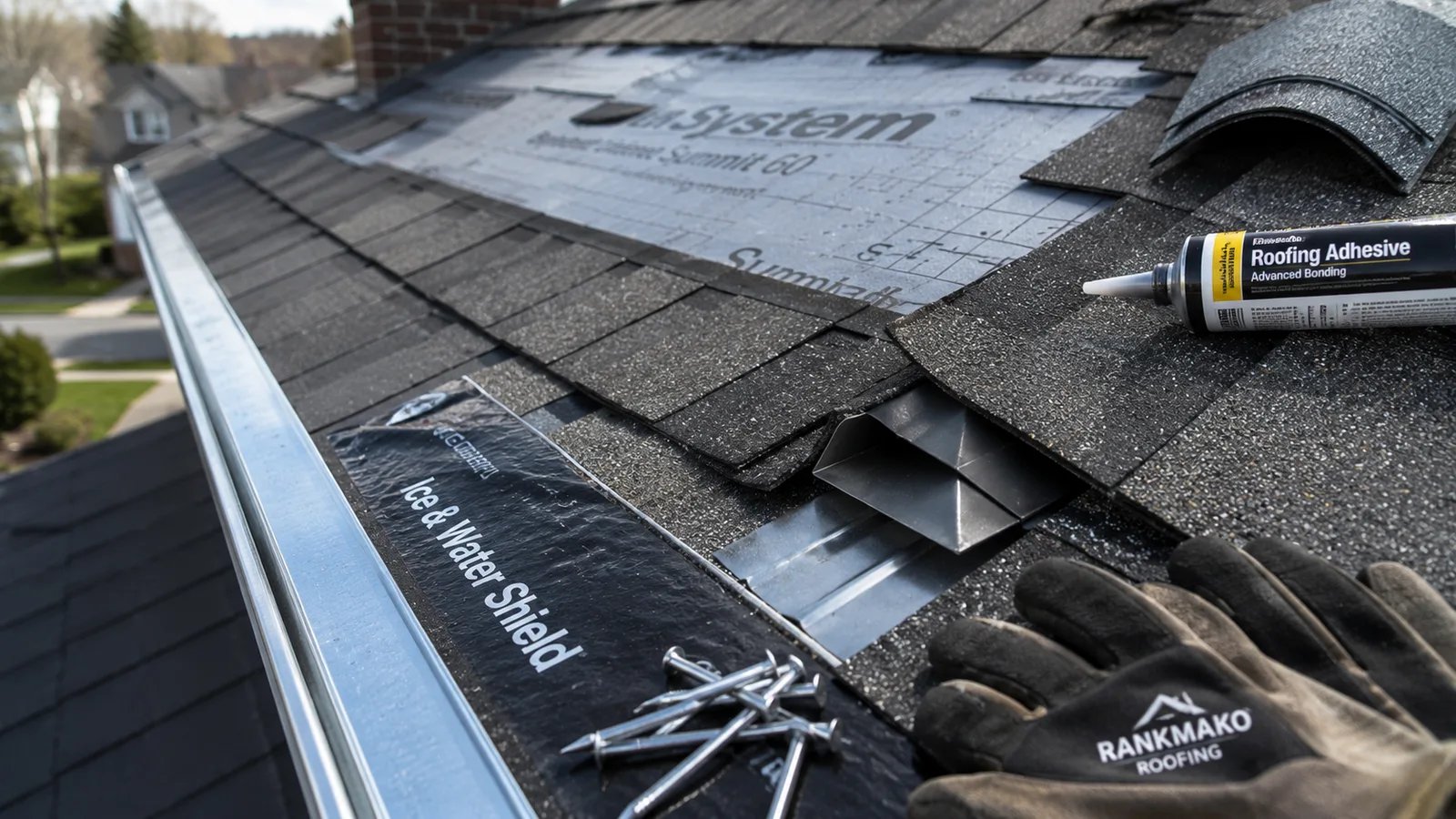
Tear-off or overlay, underlayment and ice-and-water shield, panel install, flashing, and cleanup. What’s more, most residential jobs complete in 2-4 days.
- Licensed& insured in PA
- 30-50 yrpaint warranty
- Class Afire rating
- Freewritten quotes
Service Options & Pricing
Standing Seam Full Install
Tear-off + 24-gauge Galvalume, concealed fasteners, ice-and-water shield, synthetic underlayment
In particular, primary residence, long-term ownership, high-visibility roofline
Exposed Fastener Panel System
26-gauge painted steel R-panel or Ag-panel, through-fastened
In addition, garages, workshops, outbuildings, budget-driven residential
Metal-Over-Asphalt Overlay
Furring strips and panels over one existing shingle layer, no tear-off
As a result, structurally sound single-layer asphalt roofs looking to skip disposal cost
Metal Roof Repair
Screw replacement, sealant renewal, flashing rework, panel patching
For example, existing metal roofs 15-30 years old with fastener or seal issues
Pittsburgh Areas We Serve
- Coverage Zones: “Pittsburgh proper — Squirrel Hill, Shadyside, Mount Washington, Lawrenceville, Bloomfield, Highland Park, Regent Square, Point Breeze”
- Nearby Areas: “Allegheny County — Bethel Park, Fox Chapel, McCandless, Ross Township, Mount Lebanon, Upper St. Clair”
- Local Climate: “Freeze-thaw damage and ice-dam remediation drive most Pittsburgh metal roof upgrades”
- Permitting: “City of Pittsburgh building permits pulled and inspections scheduled on your behalf”
Pennsylvania homeowners are protected under the state’s Home Improvement Consumer Protection Act, which requires a written contract for any home improvement job over $500.
Frequently Asked Questions
How long does a metal roof last in Pittsburgh?
Can I install a metal roof over my existing asphalt shingles?
Are metal roofs louder in rain and hail?
How does metal roofing handle Pittsburgh winters and ice dams?
More Questions Homeowners Ask
Will a metal roof lower my energy bills?
Do you handle permits and HOA approval?
What gauge and profile do you recommend for Pittsburgh homes?
Does lightning strike metal roofs more often?
How much does a metal roof cost in Pittsburgh?
Metal shingles or standing seam — which is better for my Pittsburgh home?
What’s the best metal roofing type for a steep-pitch, century-old Pittsburgh home?
Who installs metal roofs near me in Pittsburgh, and what should I check before hiring a contractor?
What metal shingle brands are used for Pittsburgh roofs?
Book Your Metal Roof Estimate This Week.
Free written quote, on-site measurement, no obligation. In particular, licensed and insured across Pittsburgh and Allegheny County.
More Pittsburgh Services & Areas
- All roofing servicesFull service list — asphalt, metal, flat roofs, gutters, and inspections across Pittsburgh.
- Service areasNeighborhoods and townships across Pittsburgh and Allegheny County we cover.
-
Pricing overviewHow we price metal, asphalt, and repair jobs, and what drives the numbers.
- Contact usSend photos, request an estimate, or call to reach our Pittsburgh team.
Related Roofing Materials
- Slate Roof RepairCentury-home slate repair and matching for Squirrel Hill and Shadyside roofs.
- Tile Roof RepairTile repair and replacement for Pittsburgh’s clay and concrete tile roofs.
- Flat Roof RepairFlat and low-slope roof repair for rowhomes and additions.
- Cedar Shake RoofingCedar shake repair and replacement with the upkeep Pittsburgh’s climate demands.