Rankmako provides roofing terms glossary for homeowners across the Pittsburgh area.
PITTSBURGH · ROOFING GLOSSARY
Every Roofing Term on Your Pittsburgh Estimate, Decoded
Roof Repair Pittsburgh serves homeowners across Pittsburgh and Allegheny County with plain-English definitions for every term on estimates, insurance claims, and inspection reports. Each entry is written by a working local roofer so you can read your scope, question your adjuster, and hire with confidence. Book an inspection online or call the team direct.
Written by a Pittsburgh roofer who works on Pittsburgh roofs — not a marketing copywriter.
- 40+terms defined
- Pittsburghlocal coverage
- Freebrowse anytime
- Writteninspection scopes
- Insuranceclaim vocabulary
Read Your Estimate Line-by-Line
In addition, every squares, felt, drip edge, and step-flashing line item decoded before you sign a Pittsburgh roofing contract.
Match the Insurance Adjuster's Language
As a result, aCV, RCV, depreciation, scope-of-loss, O&P — the exact terms used on Pennsylvania hail and wind claims.
Verify the Materials On-Site
For example, tell 3-tab from architectural, synthetic underlayment from felt, before crews unload the truck at your home.
Ask Better Questions on the Phone
In fact, ten questions every Pittsburgh homeowner should ask a roofer — using the correct terminology — before signing.
How Our Pittsburgh Roofing Terms Glossary Compares
| Shingle type | Typical lifespan | Manufacturer wind rating | Pittsburgh fit |
|---|---|---|---|
| 3-tab asphalt | 20–25 years | ~60 mph | Budget replacement, short-hold homes |
| Architectural (dimensional) asphalt | 25–30 years | 110–130 mph | Standard choice for most Pittsburgh homes |
| Standing-seam metal | 40–70 years | 140+ mph | Long-hold homes, snow-shedding roofs |
| Synthetic slate / composite | 40–50 years | 110–120 mph | Historic districts, higher-end streets |
How the Job Runs
Request an Inspection Online
Similarly, send your address and a few phone photos through the site, or call the team direct for same-week availability across Pittsburgh.
On-Site Roof Assessment
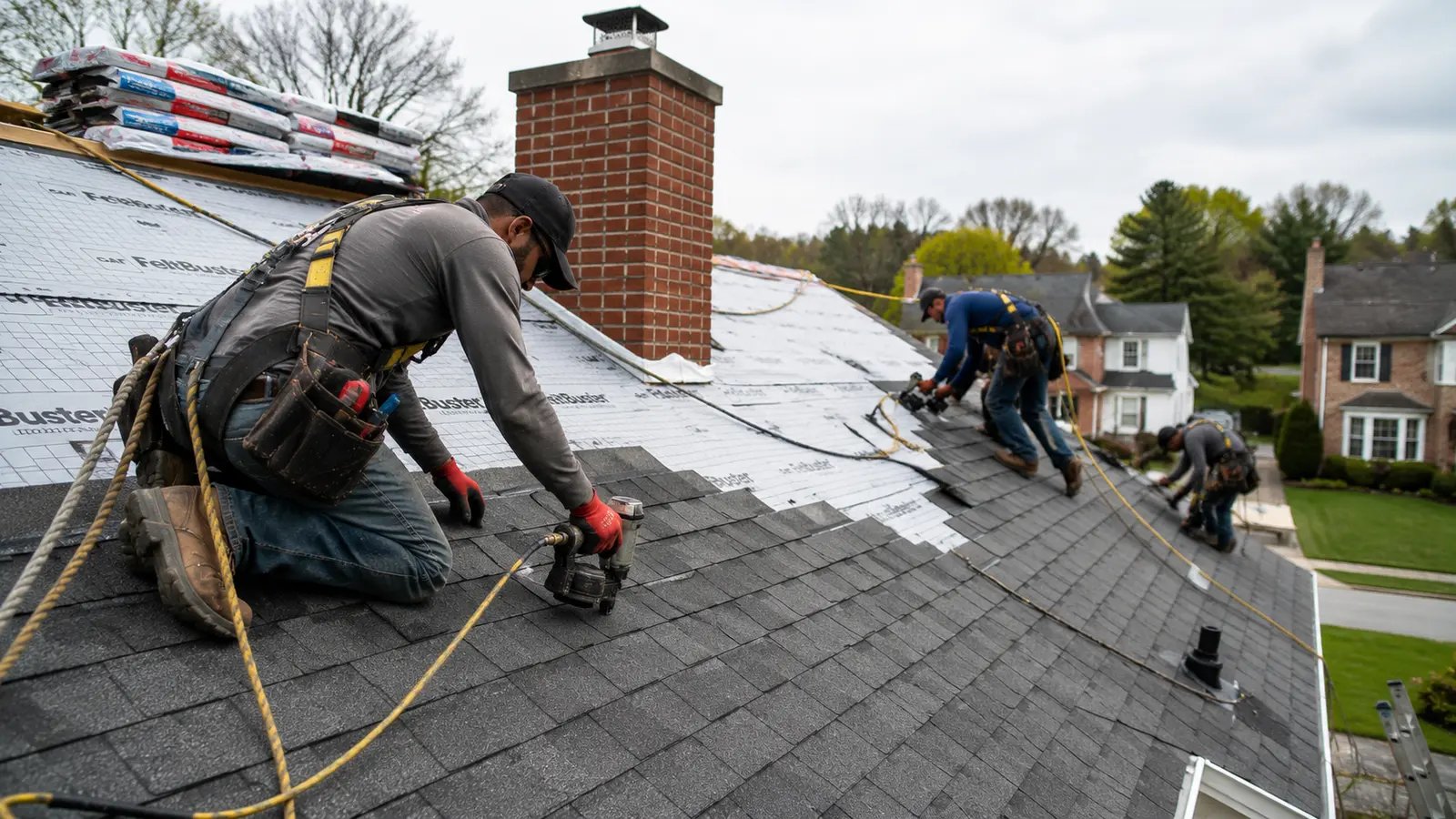
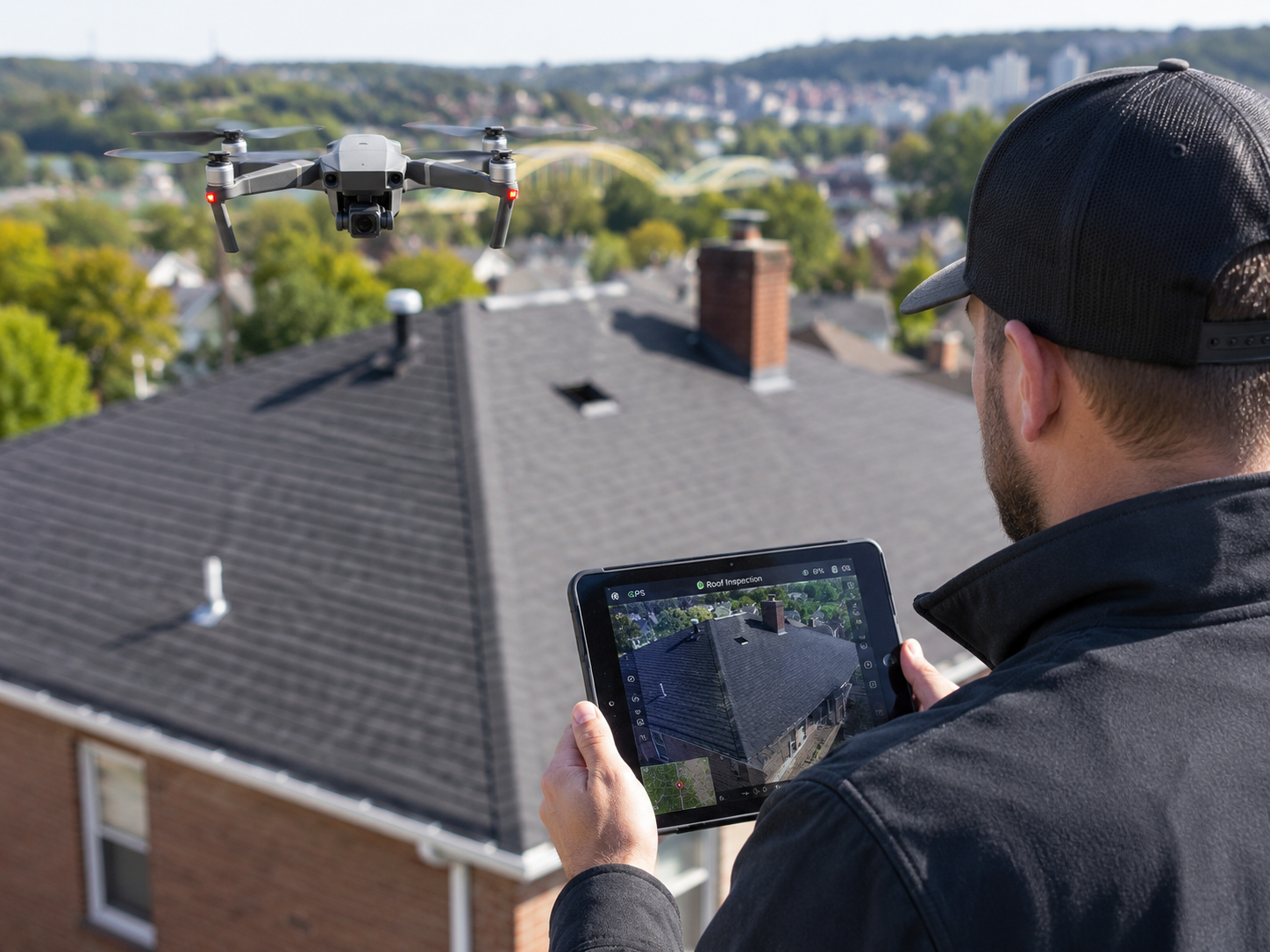
Because of this, a Pittsburgh roofer walks the roof, checks attic ventilation, photographs damage, and notes every defect using its industry term.
Written Scope in Plain English
What’s more, you receive an itemized scope — every square, underlayment, and flashing line explained beside the technical spec.
Repair, Replacement, or Claim Support
In particular, approve the scope and crews stage materials, tarp landscaping, complete the work, and haul debris before a final walkthrough.
Pennsylvania homeowners are protected under the state’s Home Improvement Consumer Protection Act, which requires a written contract for any home improvement job over $500.
Frequently Asked Questions
What is a "square" in roofing?
What's the difference between 3-tab and architectural shingles?
What is "underlayment" and why does Pittsburgh need it?
What does "ice and water shield" do?
What's "flashing" on a roof?
More Questions Homeowners Ask
What does ACV vs. RCV mean on a roof insurance claim?
What is "roof pitch" or "slope"?
What is a "ridge vent" and do I need one?
What does "tear-off" vs. "overlay" mean?
What is a "drip edge"?
Still Have Questions About Your Pittsburgh Roof?
Bring your estimate, your adjuster's report, or a photo of a leak. In fact, a local roofer walks you through every term — no jargon, no pressure.
More Pittsburgh Services & Areas
- All roofing servicesRepair, replacement, storm response, and inspection — the full menu for Pittsburgh homes.
-
Roof repairLeak fixes, flashing repairs, and shingle replacement across Pittsburgh neighborhoods.
-
Roof replacementTear-off and re-roof projects with a written scope and material breakdown.
-
Storm damage responseEmergency tarping and insurance claim support after wind, hail, or fallen limbs.
-
About Roof Repair PittsburghMeet the local crew and how we work with homeowners across Allegheny County.
-
Contact the teamBook an inspection, ask a term, or send photos for a preliminary estimate.
See Also
- Asphalt Shingle Roof ReplacementFull tear-off and architectural-shingle replacement, the most common Pittsburgh re-roof.
- Gutter InstallationOn-site seamless K-style and half-round gutter fabrication.
- Soffit and Fascia RepairRotted soffit and fascia replacement that protects the roofline edge.
- What to Expect — Roofing Process GuideA step-by-step walkthrough of a Pittsburgh roofing project, inspection to final walkthrough.
- Roofing Warranty InformationWhat’s actually covered by workmanship vs. manufacturer warranty terms.